


TIME:2026-05-27
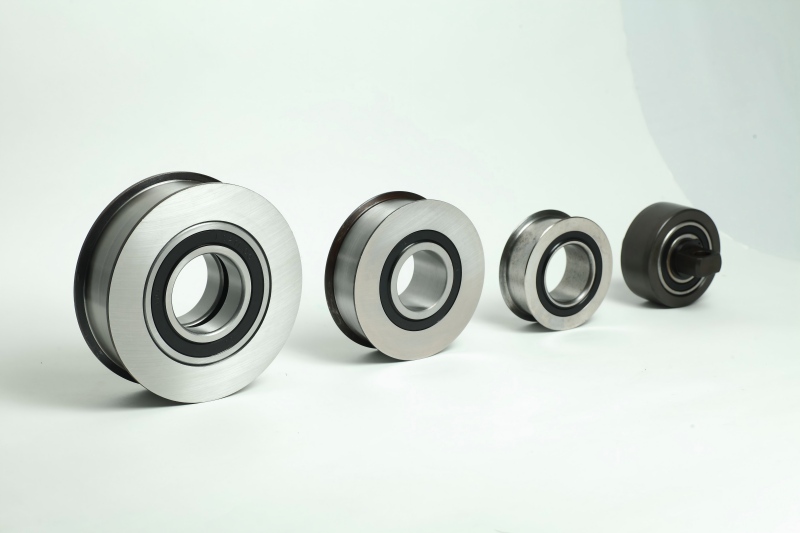
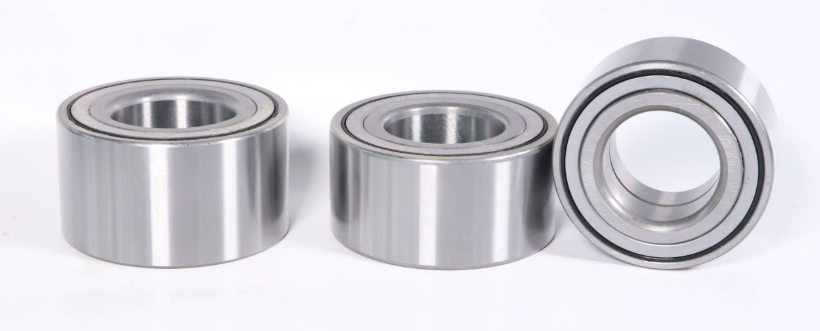
Forklift mast bearings are specifically designed for the lifting mechanisms and fork movements of forklifts. Engineered for low-speed, heavy-load applications, they feature high shock resistance and a thick, wear-resistant outer ring, making them the most distinctive type of bearing found in forklifts.
Main Roller Bearings (Mast Guide Bearings)
◎Structure: Consists of a thick-walled outer ring, a full complement of rollers, and a high-strength shaft. Most designs are non-separable units, and the outer ring undergoes a quenching and hardening process.
◎Load Capacity: Designed to handle purely radial heavy loads, specifically bearing the vertical pressure exerted by the forks and the cargo; possesses strong resistance to impact loads.
◎Key Distinguishing Feature: The outer ring is 2 to 3 times thicker than that of standard bearings, providing a larger contact area and ensuring a long service life with superior wear resistance.
General Technical Requirements (Standards Specific to Mast Bearings)
1. Material and Hardness: Predominantly manufactured using carburized bearing steel or GCr15 material. The outer ring raceway is quenched to a hardness of HRC 60–64, ensuring a wear-resistant surface layer while maintaining a tough, impact-resistant core to prevent brittle fracture.
2. Clearance Selection: Standardized selection of C3/C4 large internal clearance. This design accommodates deformation under heavy loads, compensates for temperature fluctuations, and prevents jamming caused by dust accumulation, ensuring smooth, non-seizing operation.
3. Sealing Structure: Equipped as standard with double-layer rubber seals and multiple dust-proofing barriers. This configuration is optimized for operating environments found in factories and construction sites, which often involve high levels of dust, dirt, and exposure to muddy water.
4. Lubrication Requirements: Pre-filled at the factory with extreme-pressure (EP) heavy-duty grease. On-site maintenance schedule: Re-greasing is required every 200 to 300 operating hours.
Tel:+86-635-8550888
Add:Precision Bearing Industrial Park in Guantao County, Hebei Province


